
Copper-Nickle Brazing Alloy
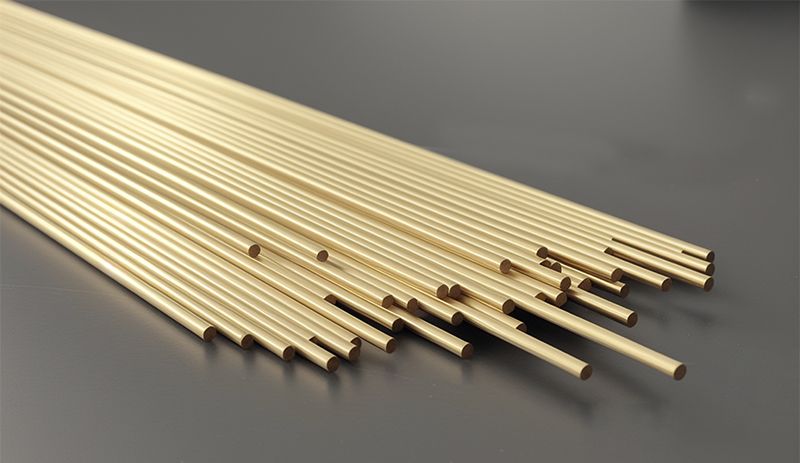
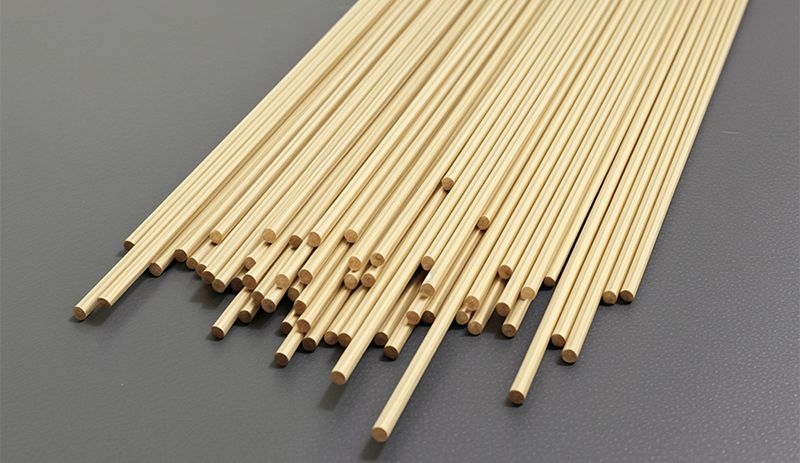
This Cu-Ni series of alloy is widely used for brazing dissimilar metal material such as carbon steel, stainless steel, cast iron, copper alloys, nickel based alloys. Cost-effective when compared with silver based brazing alloys. Good wettability on stainless steel, nickel based alloys. Flux is mandatory for flame brazing. Moderate flowability, high melting range provides high-temperature mechanical performance and good high-temperature corrosion resistance. It is widely applied in vacuum brazing, protective atmosphere furnace brazing, gas flame brazing.
| Product Series | Product Number | Related Standard | Chemical Composition(%) | Melting Range (℃) | Working Temperature(℃) | Characteristics | Application | |||
| Cu | Zn | Ni | Other | |||||||
| Copper-Nickle Brazing Alloy | BCu51ZnNi | 50-52 | rem. | 10 | Si | 921-935 | 938-982 | All products must be used with flux and are suitable for gas flame brazing and induction brazing. Nickel significantly improves joint strength, corrosion resistance, and fatigue resistance. Zinc volatilization is much lower than ordinary brass brazing alloy. It exhibits good wetting properties on carbon steel, cast iron, copper alloys, nickel-based alloys, hard alloys, and some stainless steels. It enables brazing of dissimilar materials like steel and copper. Compared to silver-based brazing alloy, it has a significant cost advantage and can replace some silver alloy to reduce costs. It is not suitable for strong acid and corrosion conditions. Higher nickel content results in better corrosion resistance and fatigue resistance, and a higher melting point. | Widely used in the high mechanical strength cemented carbide cutting tool industry: brazing of drill bits, saw blades, lathe tools and other cutting heads to steel substrates. Engineering machinery, hydraulic system parts. Valves and pipe fittings in the refrigeration and pump valve industries. Carbon steel, copper, nickel alloy and some stainless steel components, steel-copper dissimilar joints. Suitable for parts that are subjected to alternating loads and work in slightly corrosive environments. | |
| BCu57ZnNi | 56-58 | rem. | 5 | Si | 870-910 | 910-960 | ||||
| BCu50ZnNi | EN 1044- Cu305 | 49-51 | rem. | 9 | Si:0.1 | 921-935 | 938-982 | |||
