
Lead Free Tin-Based Solder
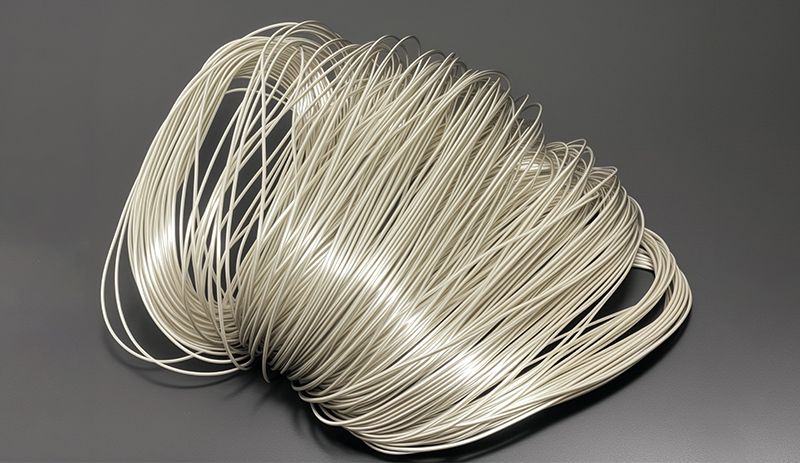
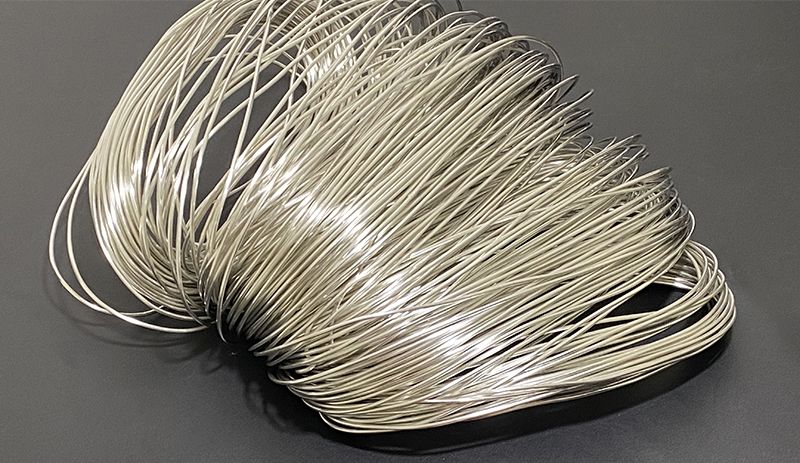
Product Series | Product Number | Chemical Composition(%) | Melting Range (℃) | Working Temperature(℃) | Characteristic | Application | ||||
| Sn | Sb | Cu | Ag | Other | ||||||
Lead Free Tin- Based Solder | S-Sn | ≥99 | Small Amount | Sb | 232 | 230-280 | The appropriate flux must be used during application. It covers various alloy combinations including pure tin, tin-copper, tin-antimony, tin-silver, and tin-silver-antimony. The tin-copper and tin-antimony grades exhibit good high-temperature resistance and excellent high-temperature creep resistance. The tin-silver alloy demonstrates excellent wetting and spreading properties, resulting in high solder joint strength and good ductility. The overall melting temperature is higher than traditional leaded solders, making it suitable for manual soldering, wave soldering, dip soldering, and flame soldering, but not for vacuum soldering. Strict control of lead impurity content ensures it meets environmental export requirements for global markets such as the EU and North America. | Lead-free tin-based solder contains no lead or cadmium, meets environmental protection requirements, and complies with EU RoHS standards, making it suitable for brazing in the food industry. Applications include food processing, chemical manufacturing, air conditioning and refrigeration, general engineering, microelectronic, home appliances, pipe fittings, and other building equipment installation. It is suitable for brazing stainless steel, copper, and copper alloy food containers. | ||
| S-Sn97Cu | rem. | 2.5-3.5 | 235-245 | 240-290 | ||||||
| S-Sn92CuSb | rem. | Cu、Sb | 250-300 | 300-350 | ||||||
| S-Sn95Sb | rem. | 4.0-6.0 | 232-240 | 230-280 | ||||||
| S-Sn98Ag | rem. | Small Amount | 1.5-2.5 | Sb | 220-228 | 230-280 | ||||
| S-Sn97Ag | rem. | Small Amount | 2.5-3.5 | Sb | 221-230 | 230-280 | ||||
| S-Sn96Ag | rem. | Small Amount | 3.5-4.5 | Cu | 221-230 | 230-280 | ||||
| S-Sn95Ag | rem. | Small Amount | 4.5-5.5 | Sb | 250 | 250-300 | ||||
